

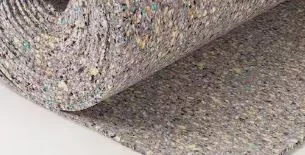
Carpet padding differences boil down to material, density, and thickness. These factors determine how your carpet feels, how long it lasts, and how well it resists moisture. Selecting the proper padding is critical to maintaining your carpet's manufacturer warranty.
Key Material Types
- Rebond Foam: The most popular residential option. Made of recycled, bonded polyurethane foam pieces, it offers a great balance of comfort, affordability, and eco-friendliness.
- Memory Foam: Features a viscoelastic top layer that provides a plush, cloud-like step. Best suited for low-traffic rooms like bedrooms, though it can compress over time in high-traffic areas.
- Frothed Foam: Highly dense polyurethane foam that holds its shape exceptionally well. It offers premium durability and is a top-tier choice for high-traffic zones, though it is more expensive.
Density vs. Thickness
Padding is defined by its thickness (measured in inches) and its density (measured in pounds per cubic foot).
- Thickness: Most residential carpets need a pad between 3/8 to 7/16 inches thick. Going too thick (e.g., 1/2 inch or more) can cause the carpet backing to stretch and wrinkle, which may void your manufacturer warranty.
- Density: This measures how much a cubic foot of the padding weighs. A higher number means a firmer, more supportive pad. For most homes, an 8-pound density is the sweet spot for durability and comfort. Firmer 10-pound pads are great for stairs and heavy hallways.